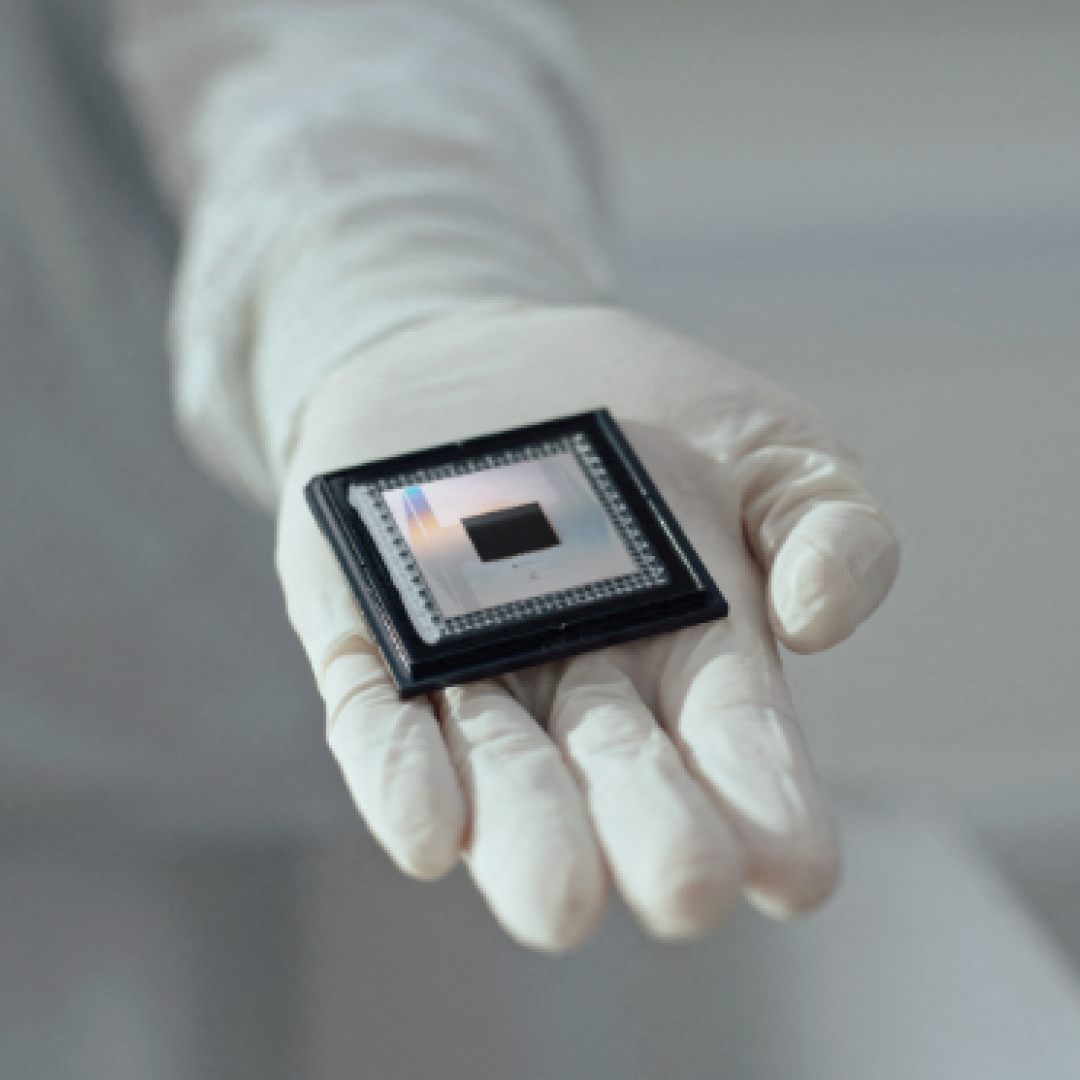
Google says its 105-qubit Willow superconducting chip has achieved the first “verifiable quantum advantage,” running a new “Quantum Echoes” algorithm 13,000× faster than the best classical methods on leading supercomputers. The result, published on 22 October 2025 in Nature, is framed as a step toward practical quantum utility rather than a one-off stunt, with Google positioning verification and reproducibility as central to the claim. The company highlights potential payoffs in areas from materials discovery to AI data generation if such quantum tasks can be scaled reliably.
Technically, Quantum Echoes measures out-of-time-order correlators (OTOCs) via a time-reversal “echo” protocol; Google reports that the computation is efficiently verifiable given access to a comparable quantum device, addressing a long-standing critique of prior advantage demonstrations. The experiment reportedly used ~65 of Willow’s 105 qubits, with the full array shown in Google’s materials; researchers also point to near-term applications such as Hamiltonian learning for nuclear magnetic resonance (NMR) as targets for early utility. Independent coverage notes the advance while urging caution about timelines to fault-tolerant machines.