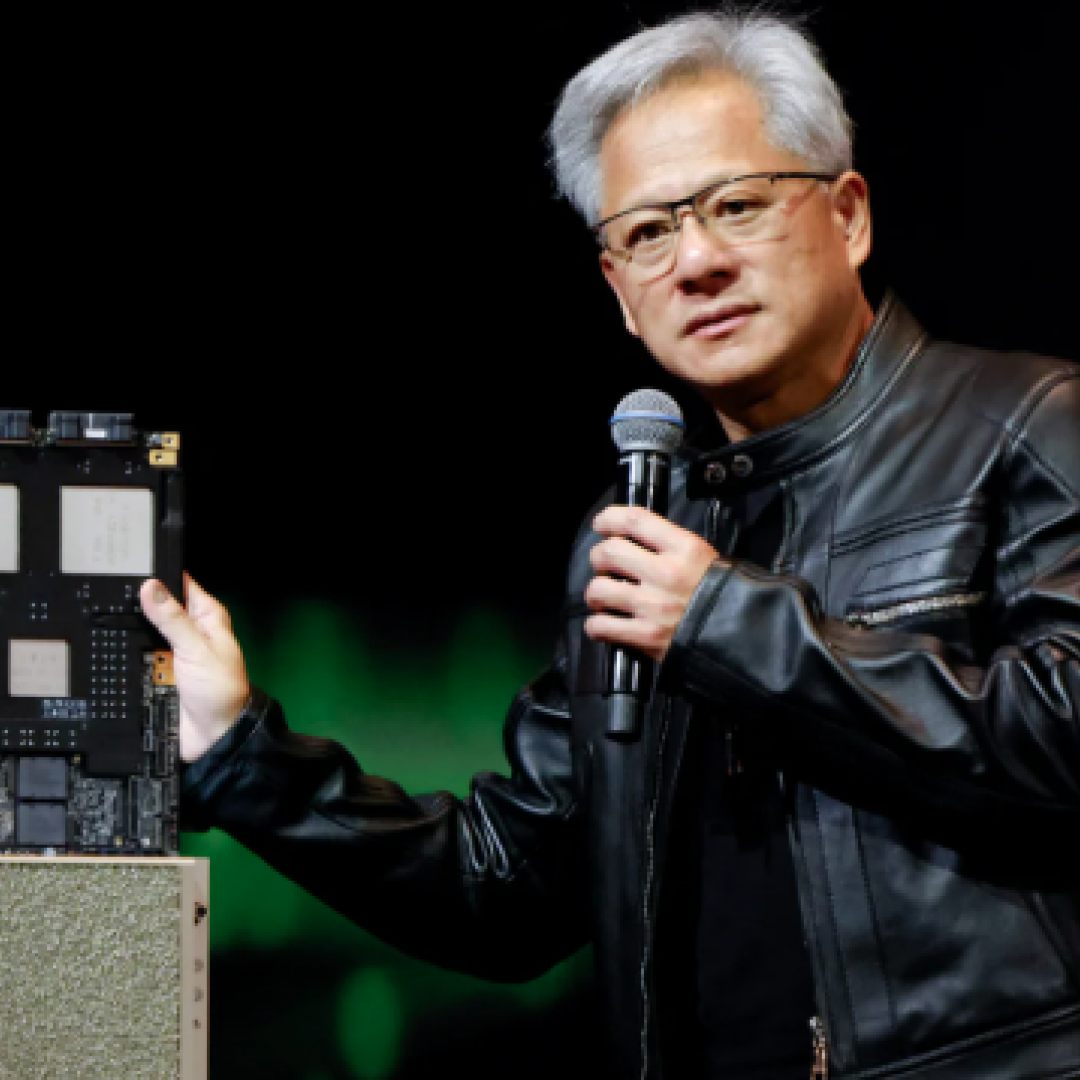
Nvidia chief executive Jensen Huang has repeatedly argued that U.S. controls on advanced chip exports to China have “failed,” saying they cost American firms billions in sales and accelerated Chinese alternatives. Speaking in Taipei on May 21, 2025, he said Nvidia’s China market share fell to ~50% from 95% after restrictions, and praised planned U.S. policy adjustments at the time. The Financial Times likewise reported Huang calling the curbs a “failure,” warning they risk ceding ground to domestic Chinese suppliers.
Policy whiplash has compounded uncertainty. On August 9, 2025, Reuters reported the U.S. began licensing Nvidia’s China-tailored H20, reversing an April ban; Nvidia had warned the curbs would cut about $8 billion from July-quarter sales. A month later, after reports that China’s Cyberspace Administration directed major tech firms to halt Nvidia chip purchases, Huang said Washington and Beijing had “larger agendas to work out,” and Nvidia shares fell roughly 3% on the day (September 17, 2025). The episodes illustrate how export rules—and reciprocal actions—are reshaping Nvidia’s access to a market it once dominated.