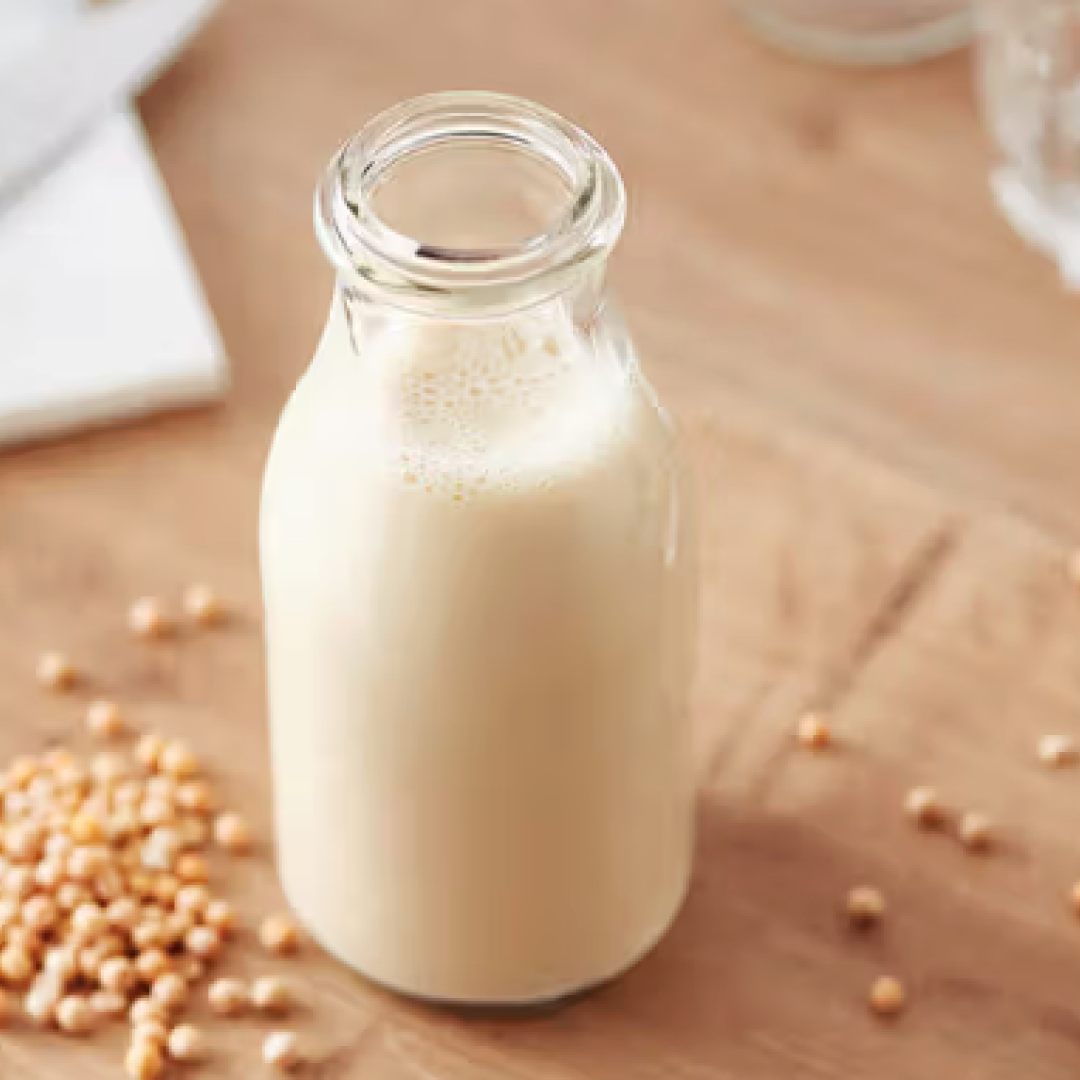
A growing cohort of elite and recreational athletes is moving away from cow’s milk to avoid gastrointestinal distress linked to lactose malabsorption, which affects ~70% of the global population and is more prevalent outside Europe. That shift is reinforced by the rapid rise of lactose-free dairy and alternative products—one industry analysis found lactose-free claims continued to outpace overall U.S. dairy growth in the first half of 2025—giving athletes more options to meet training needs without symptoms. As a result, many are swapping in soy, pea–rice blends, or lactose-free milk to hit macros while minimizing gut issues during hard sessions.
Performance data suggest the switch need not compromise outcomes. A 2025 systematic review concluded plant proteins can support muscle mass comparably to animal proteins when total protein and leucine targets are achieved, though formulation and dosing matter. Still, dairy retains evidence-based perks: post-exercise skim milk has been shown to improve rehydration, yielding higher fluid retention than water or a sports drink in heat-stress conditions. For athletes, the choice is increasingly individualized—optimize comfort and recovery while meeting precise protein goals.